
A practical guide to dietary labels on cakes and bakes for independent coffee shop owners.
There’s a lot to keep track of when it comes to dietary labels. Vegan, gluten free, nut free, plant-based, may contain, and friendly versus free-from.
And when you’re running a busy coffee shop, the last thing you need is confusion at the counter. So here’s our straight-talking guide to dietary labels for cakes and bakes, written to help you serve with confidence and keep customers happy.
Why dietary labels matter
More customers than ever are choosing bakes based on dietary needs, whether that’s for allergies, intolerances, lifestyle choices, or personal preference.
Clear labelling helps you answer questions confidently, keep customers safe, build trust with regulars and offer something for everyone.
And when customers feel looked after, they come back. So, let’s break it down:
Gluten free
Gluten-free cakes are made without gluten-containing ingredients like wheat, barley, or rye and produced to meet strict gluten-free standards.
Gluten-free doesn’t mean dry or second best anymore. At Cake Club, our gluten-free bakes are light, moist, full of flavour, and designed to be enjoyed by everyone, not just those avoiding gluten.
Worth knowing
Gluten-free recipes contain no gluten ingredients, but bakeries often produce them alongside other products. Always check the full allergen information when cross-contamination matters to your customer.
Vegan
Vegan bakes contain no animal-derived ingredients, including dairy, eggs, and honey.
At Cake Club, our vegan cakes stand shoulder to shoulder with the classics: rich sponges, bold flavours, and zero compromise.
Worth knowing
Vegan and allergen-free are not the same thing. Vegan bakes can still contain gluten, nuts or soy unless clearly stated.
Nut Free
Nut-free bakes are made without nuts as ingredients, helping to reduce risk for customers with nut allergies. But nuts aren’t just whole nuts, they can appear as oils, pastes, flours or flavourings, so clear supplier information really matters.
At Cake Club, we’re a peanut-free site, meaning peanuts are not used anywhere in our production environment. Peanuts are declared as an allergen across our full range, so you always know exactly where you stand. For customers with tree nut allergies, always check the individual product allergen information.
Best practice
Not all nut-free claims cover both peanuts and tree nuts. Always ask your supplier which nuts are excluded and whether the production environment is controlled for cross-contamination.
‘May contain’
“May contain” means the allergen does not appear in the recipe but exists somewhere in the production environment. The statement helps customers make their own informed decision about risk.
Customers with severe allergies may choose to avoid these products.
At Cake Club, we’re upfront about production environments so you can answer questions clearly and confidently.
The 14 allergens
UK law requires food businesses to declare 14 major allergens whenever they appear in a product. For cakes and bakes the ones most likely to affect your customers are gluten, peanuts, tree nuts, milk, eggs and soya. Clear labelling against these gives customers the information they need to make safe choices.
How to use dietary labels on your counter
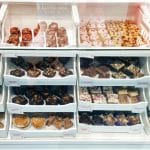
A few simple habits go a long way. Use clear flavour tags with dietary icons where possible, and group your gluten-free or vegan bakes so customers can spot them easily. Train your team to say “I’ll just check” rather than guess, and keep allergen information close to hand, whether printed or on a screen.
Customers don’t expect perfection, they appreciate care and honesty.
A final word from Cake Club
Clear dietary labels open your counter to more customers, more choice and more trust.
We design our range so you can offer something for everyone, without juggling a dozen suppliers or second-guessing every question.
Cake Club’s range includes certified gluten-free, vegan and nut-free options, all available for next-day delivery to independent coffee shops across the UK
Good coffee deserves great cake. For everyone.
Frequently asked questions
What does gluten free mean on a cake?
Gluten-free cakes are made without gluten-containing ingredients like wheat, barley or rye and produced to meet strict gluten-free standards. Always check allergen information if cross-contamination is a concern for your customer.
What does may contain mean on a food label?
May contain means the allergen does not appear in the recipe but exists somewhere in the production environment. The statement helps customers assess their own risk, and those with severe allergies may choose to avoid the product entirely.
What is the difference between gluten free and may contain?
Gluten free means the recipe contains no gluten ingredients and meets production standards. May contain means gluten isn’t an ingredient but exists somewhere in the production environment, and customers with severe allergies may choose to avoid these products.
Does vegan mean allergen free?
No. Vegan means a product contains no animal-derived ingredients, but vegan bakes can still contain gluten, nuts or soy unless clearly stated. Always check the full allergen information separately.
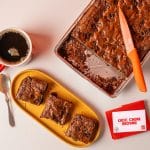
How should I display allergen information in a coffee shop?
Use clear flavour tags with dietary icons where possible, group free-from bakes so customers can identify them easily, and train your team to check rather than guess. Cake Club’s POS cards display allergen information on the front of every card, so the answer is always right next to the product. Keep a full allergen sheet accessible too, whether printed or on screen, for customers who need more detail.